
Copyright © 2026 Hunan Qiqin Environmental Protection Technology Co., Ltd
SEARCH WHAT YOU WANT
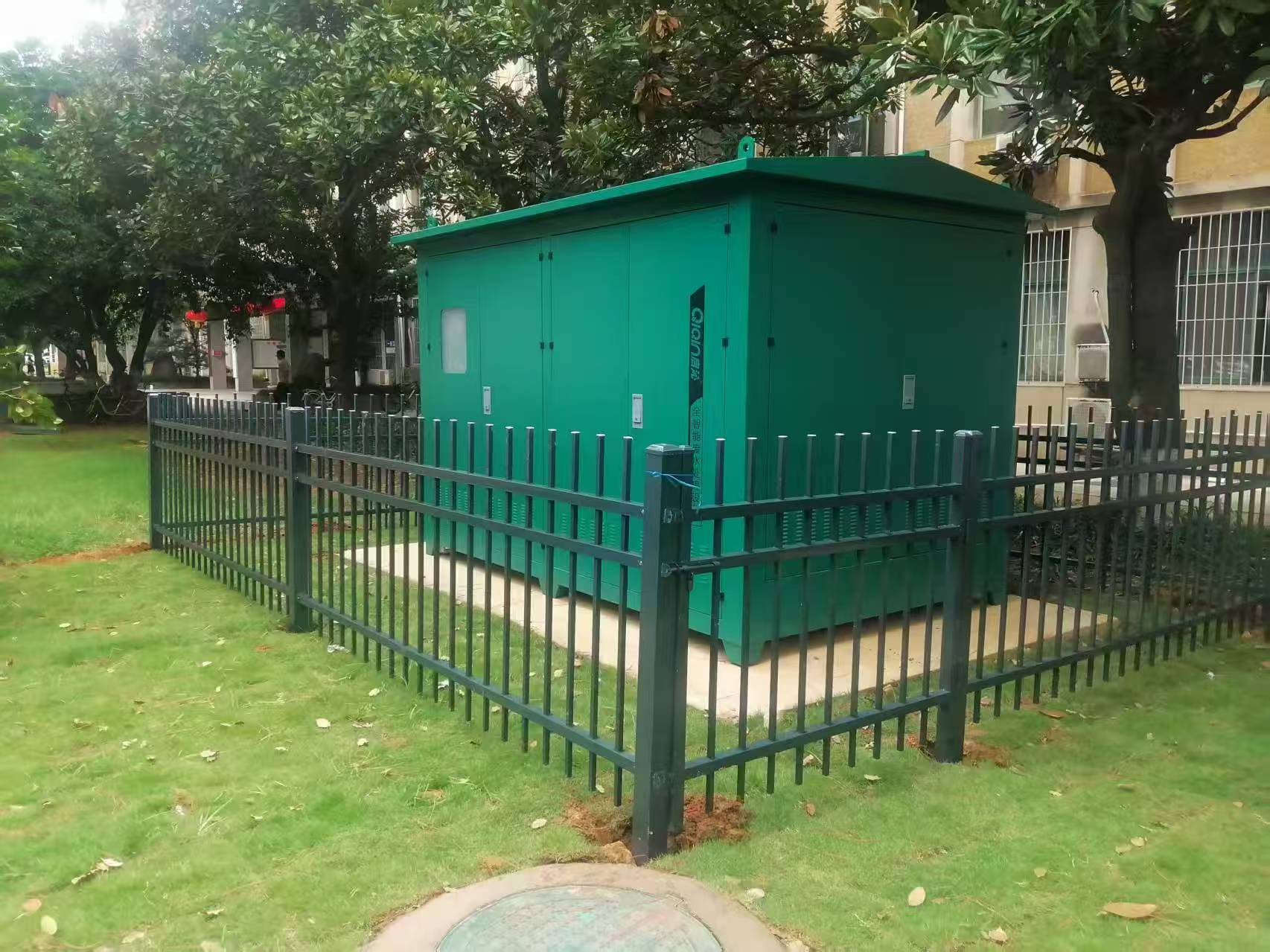
Hunan Agricultural University is expected to generate a daily average of 100 tons of laboratory wastewater.Qiqin provides 9 sets of comprehensive wastewater treatment equipment to the university, adopting a modular treatment+intelligent control full process solution to achieve stable and standard discharge of wastewater treatment, comply with national/local environmental protection policies, improve management efficiency, and achieve environmental and social benefits.
Hunan Agricultural University is expected to generate a daily average of 100 tons of laboratory wastewater.Qiqin provides 9 sets of comprehensive wastewater treatment equipment to the university, adopting a modular treatment+intelligent control full process solution to achieve stable and standard discharge of wastewater treatment, comply with national/local environmental protection policies, improve management efficiency, and achieve environmental and social benefits.
Hunan Agricultural University is a teaching and research university that focuses on agriculture and promotes interdisciplinary development. The campus has built a group of experimental buildings for multiple colleges, including agriculture, horticulture, aquaculture, plant protection, environment and ecology. It is expected to generate a daily average of 100 tons of laboratory wastewater. The laboratory wastewater presents the following characteristics and challenges:
1. Wastewater characteristics:
● Complex composition: containing acidic, alkaline, organic solvents (such as methanol, benzene derivatives), heavy metals (such as lead, chromium, cadmium, mercury), microbial cultures, etc. The water quality and quantity fluctuate greatly.
● Toxicity and hazard: Some wastewater is corrosive and toxic, and cannot be directly discharged into municipal pipelines.
● Strict emission standards: It is necessary to meet both the "Water Quality Standards for Sewage Discharged into Urban Sewers" (GB/T 31962) and the stricter emission limits set by local environmental protection departments.
2. Main challenges:
● Difficulty in classification and collection: Hundreds of laboratories generate a wide variety of types of wastewater, and source classification and collection management are huge challenges.
● Difficulty in integrating treatment technologies: There is no universal technology that can treat all pollutants, requiring an integrated and intelligent combination process.
● Safety and compliance risks: The system must be safe and reliable, prevent accidents such as leaks, poisoning, and explosions, and pass the "three simultaneous" environmental protection acceptance.
Hunan Agricultural University is a teaching and research university that focuses on agriculture and promotes interdisciplinary development. The campus has built a group of experimental buildings for multiple colleges, including agriculture, horticulture, aquaculture, plant protection, environment and ecology. It is expected to generate a daily average of 100 tons of laboratory wastewater. The laboratory wastewater presents the following characteristics and challenges:
1. Wastewater characteristics:
● Complex composition: containing acidic, alkaline, organic solvents (such as methanol, benzene derivatives), heavy metals (such as lead, chromium, cadmium, mercury), microbial cultures, etc. The water quality and quantity fluctuate greatly.
● Toxicity and hazard: Some wastewater is corrosive and toxic, and cannot be directly discharged into municipal pipelines.
● Strict emission standards: It is necessary to meet both the "Water Quality Standards for Sewage Discharged into Urban Sewers" (GB/T 31962) and the stricter emission limits set by local environmental protection departments.
2. Main challenges:
● Difficulty in classification and collection: Hundreds of laboratories generate a wide variety of types of wastewater, and source classification and collection management are huge challenges.
● Difficulty in integrating treatment technologies: There is no universal technology that can treat all pollutants, requiring an integrated and intelligent combination process.
● Safety and compliance risks: The system must be safe and reliable, prevent accidents such as leaks, poisoning, and explosions, and pass the "three simultaneous" environmental protection acceptance.


Copyright © 2026 Hunan Qiqin Environmental Protection Technology Co., Ltd