
Copyright © 2026 Hunan Qiqin Environmental Protection Technology Co., Ltd
SEARCH WHAT YOU WANT
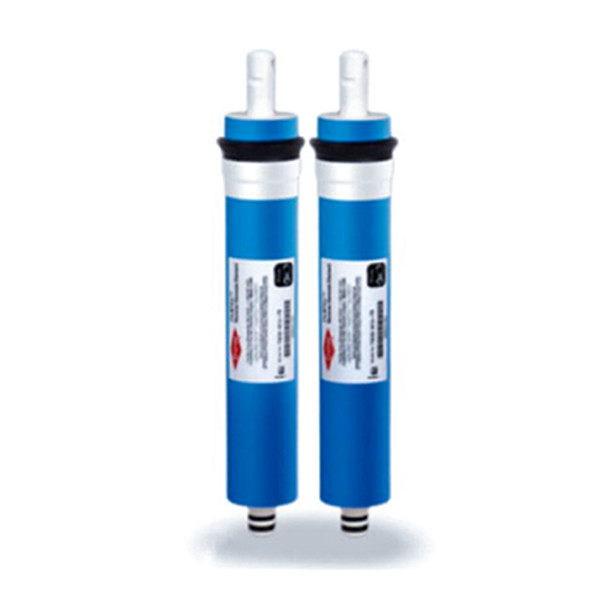
The reverse osmosis unit separates the solvent (normally water) from feed solution by applying adequate driving pressure to force water through reverse osmosis membranes (semipermeable membranes). Since the separation direction is opposite to natural osmosis, this process is defined as reverse osmosis. After reverse osmosis treatment, impurity content in water is reduced to improve water purity. Its salt rejection rate can exceed 98%, and it can effectively remove bacteria, colloids and high-molecular-weight organic substances from raw water.
The reverse osmosis unit separates the solvent (normally water) from feed solution by applying adequate driving pressure to force water through reverse osmosis membranes (semipermeable membranes). Since the separation direction is opposite to natural osmosis, this process is defined as reverse osmosis. After reverse osmosis treatment, impurity content in water is reduced to improve water purity. Its salt rejection rate can exceed 98%, and it can effectively remove bacteria, colloids and high-molecular-weight organic substances from raw water.
● High Separation Precision and Excellent Product Water Quality: As a molecular-level precision sieving technology, reverse osmosis membranes produce water of extremely high purity, meeting the stringent standards for drinking purified water, industrial ultrapure water, and medical water.
● Room Temperature Operation, Energy-Saving and Eco-Friendly: The reverse osmosis process occurs at room temperature and does not require phase changes (such as heating and boiling). Compared to traditional distillation technologies, it can save up to 90% of energy consumption, making it a low-energy, environmentally friendly technology.
● Purely Physical Separation with No Chemical Pollution: The entire separation process relies solely on pressure-driven mechanisms, requiring no chemical agents like acids or alkalis for regeneration. This prevents secondary chemical pollution and ensures safe and hygienic operation.
● High Degree of Automation and Easy Operation: Reverse osmosis systems feature a compact structure and a small footprint. They are easily adaptable to fully automatic continuous operation and intelligent control, significantly reducing manual maintenance costs.
● Extensive Applications and Strong Adaptability: Whether treating tap water, brackish water, or high-salinity seawater, reverse osmosis membranes deliver outstanding desalination and purification performance. They are widely used in numerous fields, including seawater desalination, electronics, pharmaceuticals, food and beverage, and wastewater reuse.
● High Separation Precision and Excellent Product Water Quality: As a molecular-level precision sieving technology, reverse osmosis membranes produce water of extremely high purity, meeting the stringent standards for drinking purified water, industrial ultrapure water, and medical water.
● Room Temperature Operation, Energy-Saving and Eco-Friendly: The reverse osmosis process occurs at room temperature and does not require phase changes (such as heating and boiling). Compared to traditional distillation technologies, it can save up to 90% of energy consumption, making it a low-energy, environmentally friendly technology.
● Purely Physical Separation with No Chemical Pollution: The entire separation process relies solely on pressure-driven mechanisms, requiring no chemical agents like acids or alkalis for regeneration. This prevents secondary chemical pollution and ensures safe and hygienic operation.
● High Degree of Automation and Easy Operation: Reverse osmosis systems feature a compact structure and a small footprint. They are easily adaptable to fully automatic continuous operation and intelligent control, significantly reducing manual maintenance costs.
● Extensive Applications and Strong Adaptability: Whether treating tap water, brackish water, or high-salinity seawater, reverse osmosis membranes deliver outstanding desalination and purification performance. They are widely used in numerous fields, including seawater desalination, electronics, pharmaceuticals, food and beverage, and wastewater reuse.
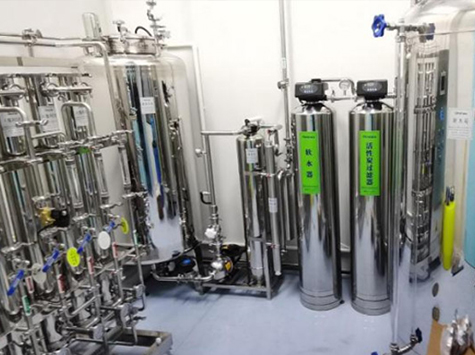
Project Name: Central Water Purification System + Ultrapure Water Machines Model: 500L/h
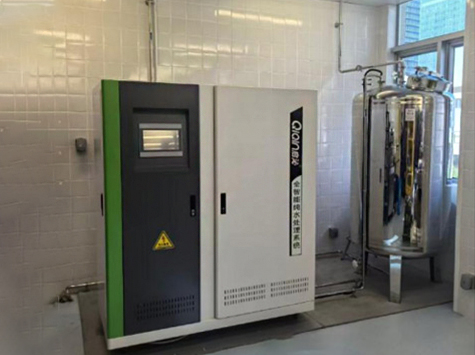
Project Name: Central Water Purification System Model: Q-Center500-RV
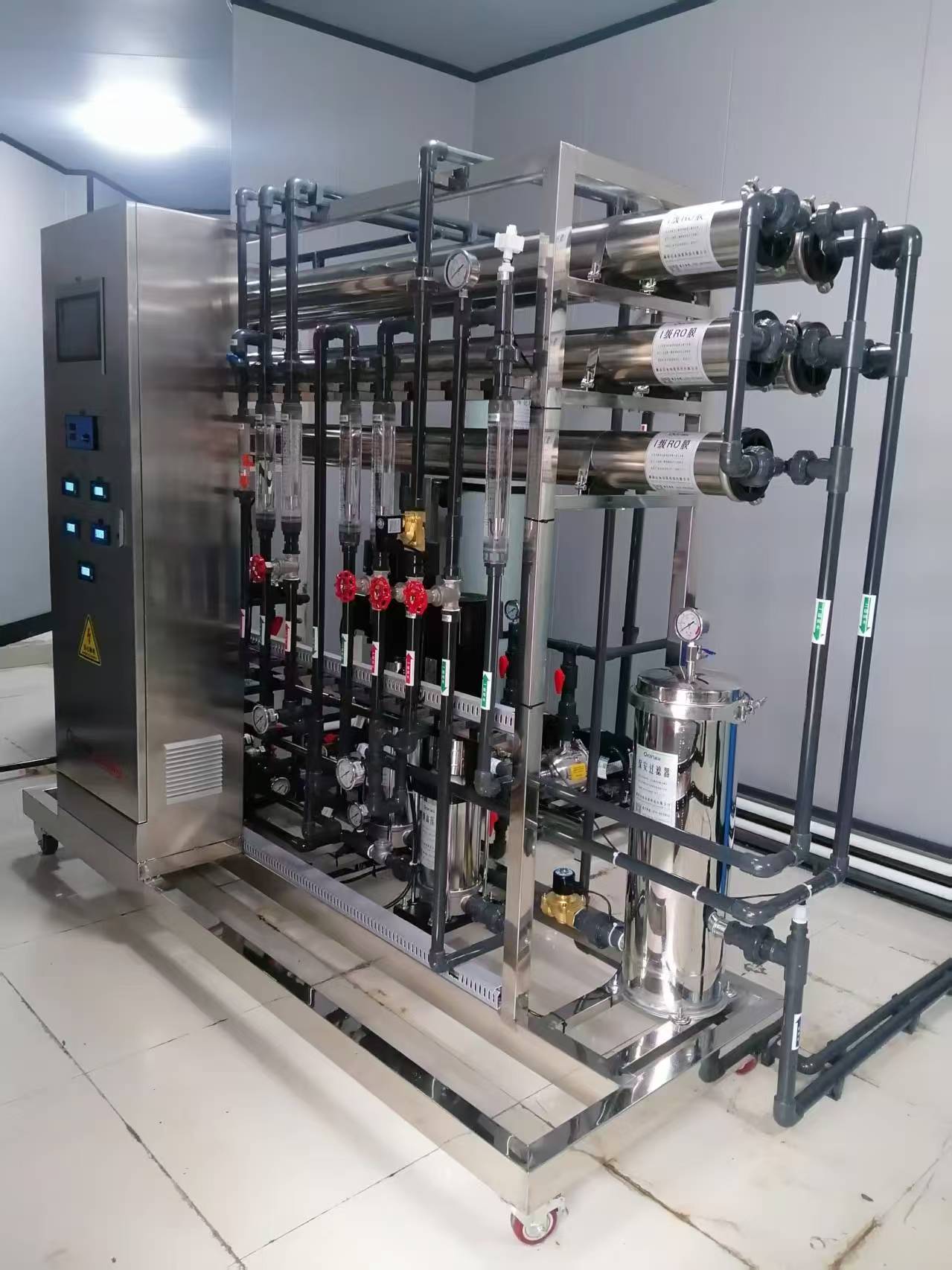
Project Name: Pure Water System Model: Q-Center500-RO
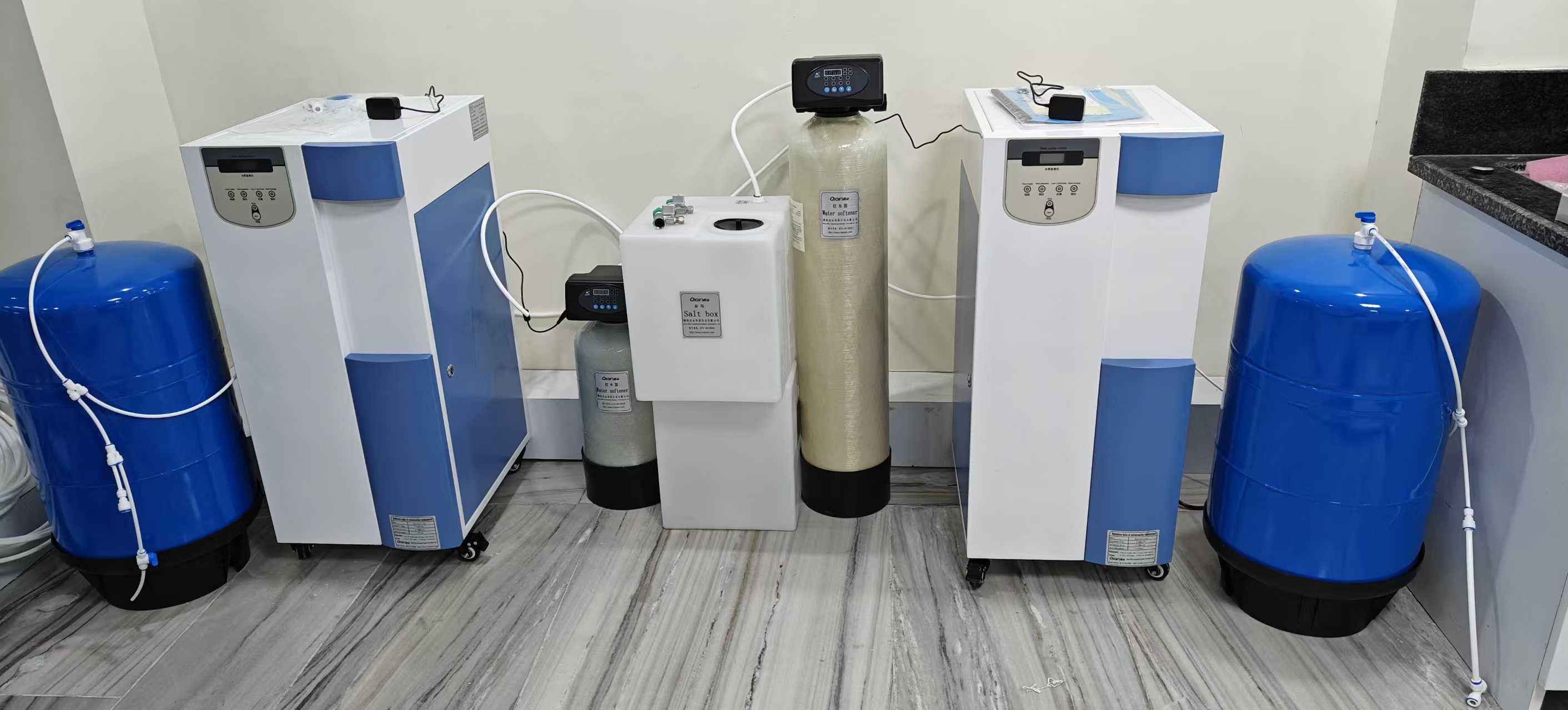
Project Name: Pure Water Machine Model: Q-CHE40-SR
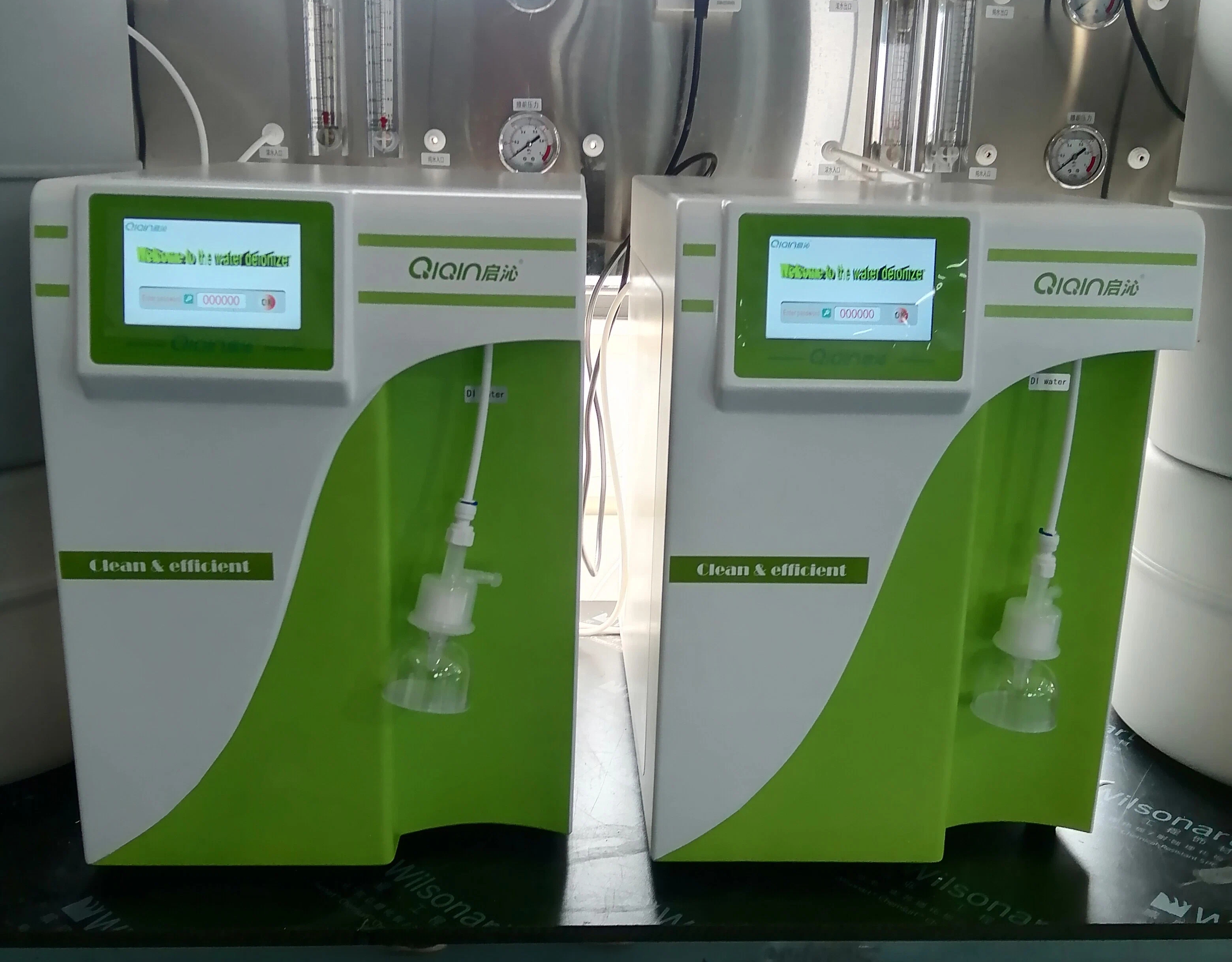
Project Name: Deionized Water Machine Model: Q-Piter40
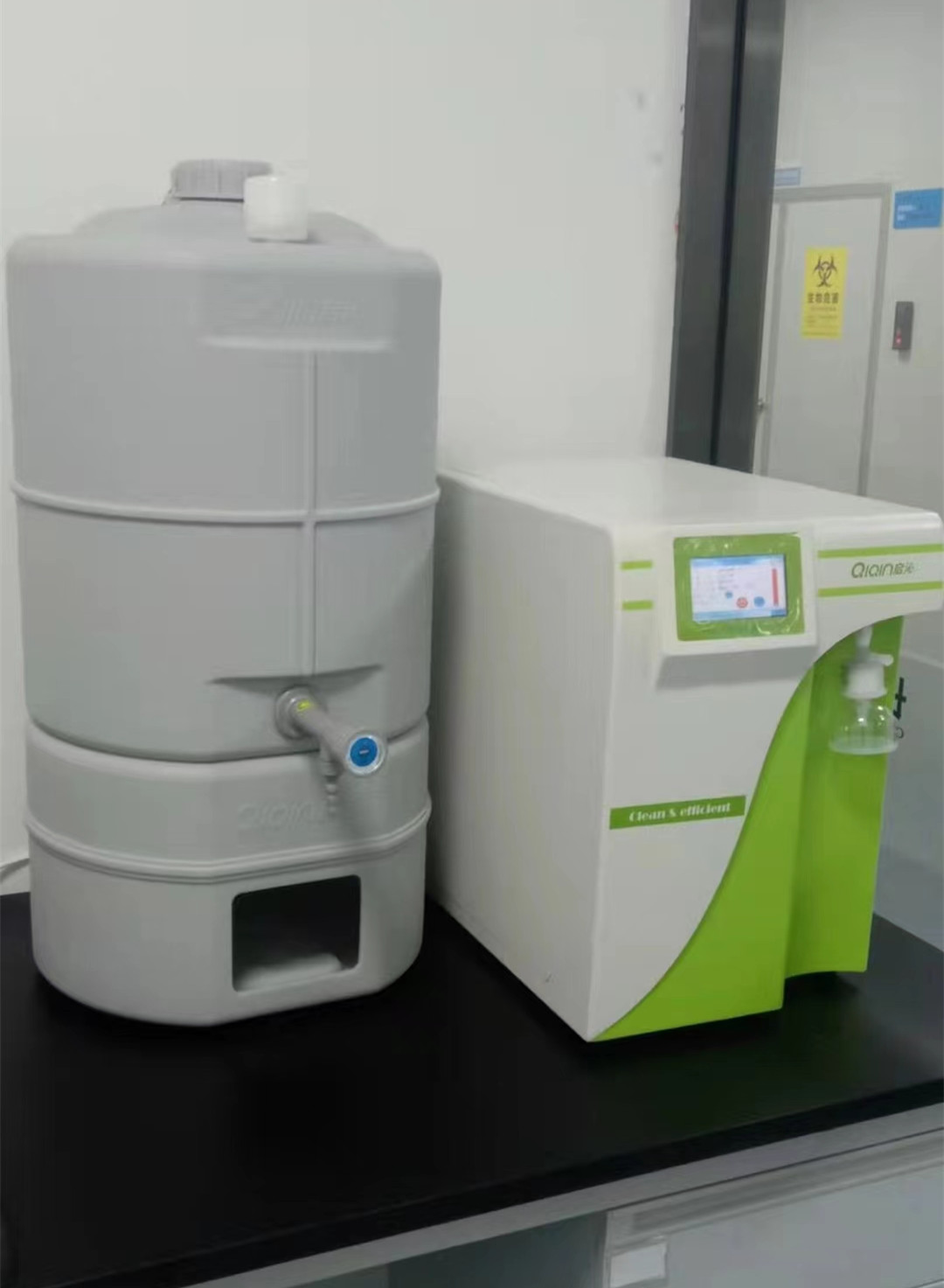
Project Name: Ultrapure Water System Model: Q-STER20-DV
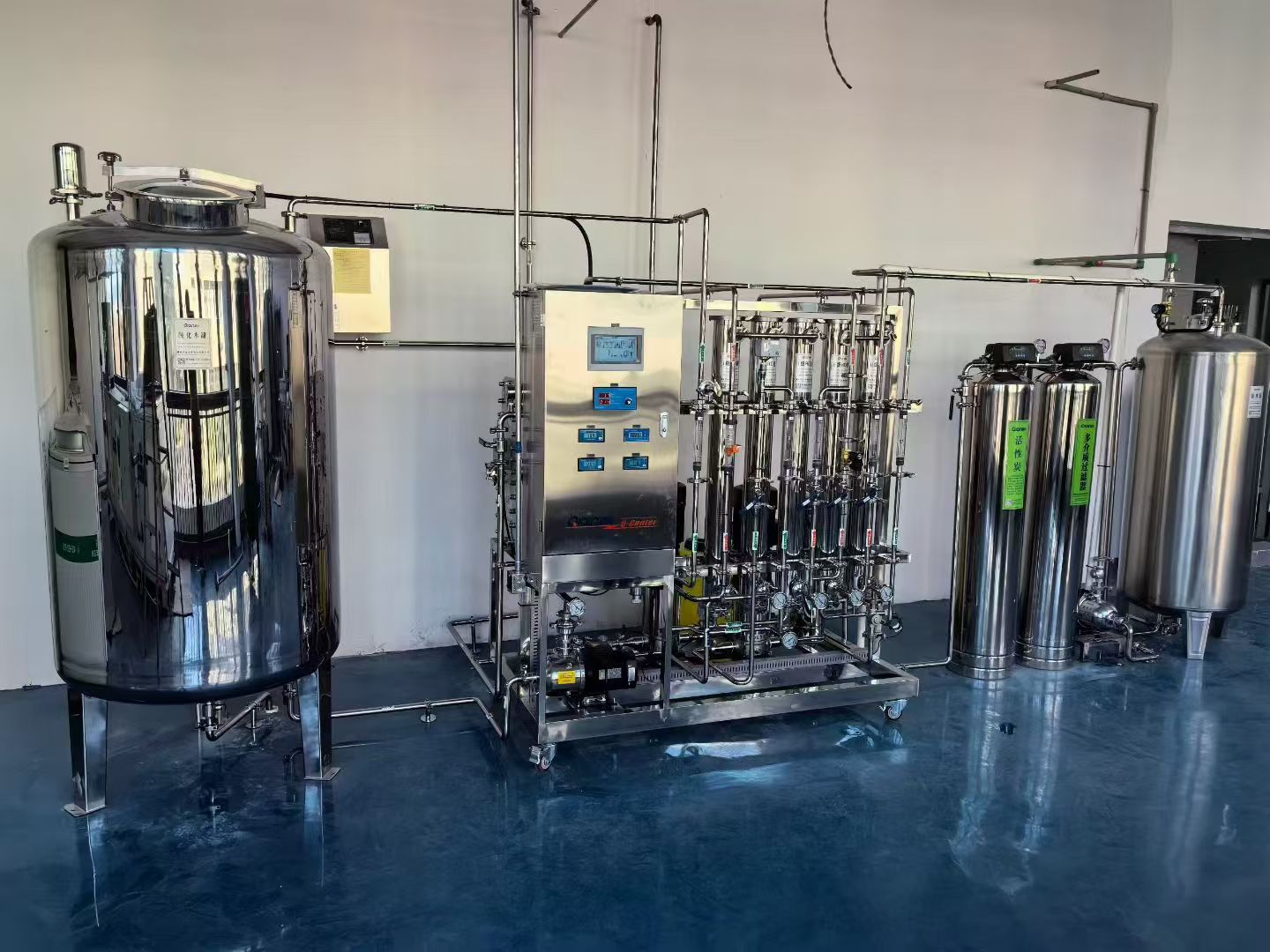
Project Name: Ultrapure Water System Model: 500L/h
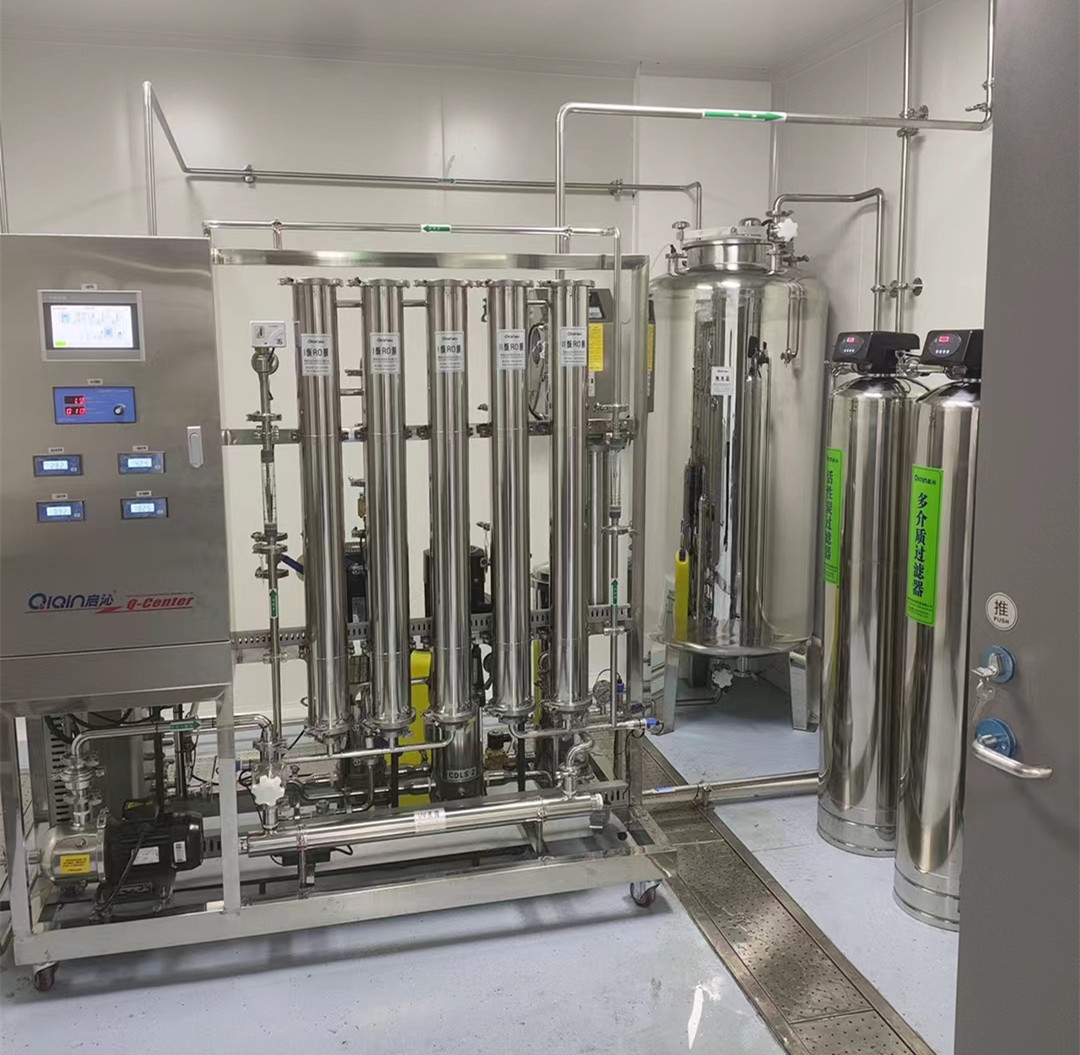
Project Name: Centralized Water Supply System Model: Q-Center1000-2RE
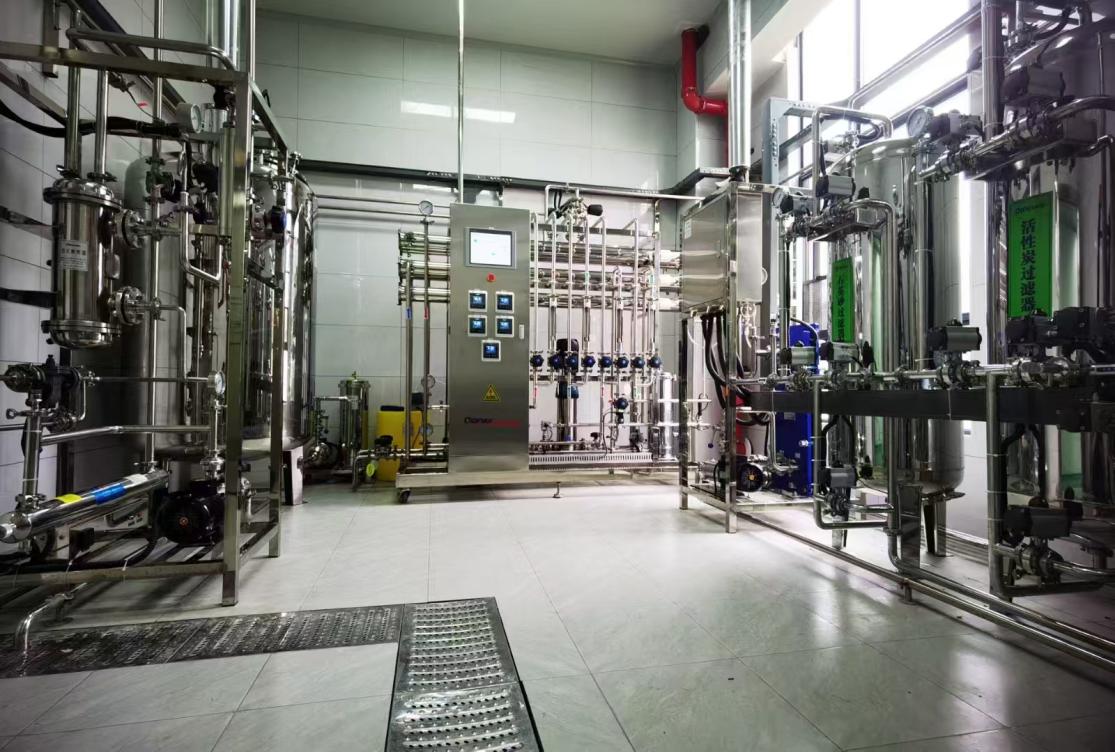
Project Name: Purified Water System Model: Q-Center1000-2RO
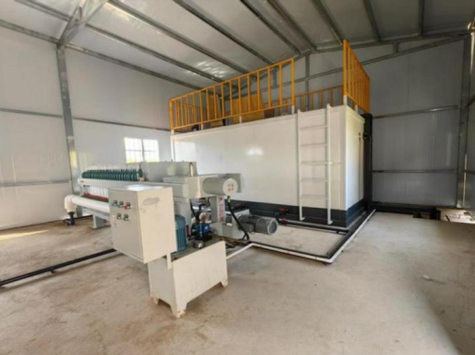
Project Name: Antimony Removal Wastewater Treatment Equipment Model: 60T/D
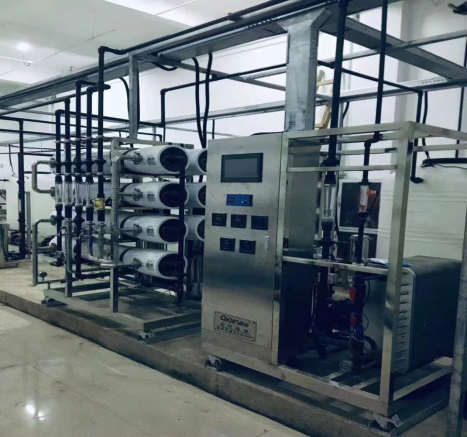
Project Name: Pure Water System Model: Q-Center2000-2RE
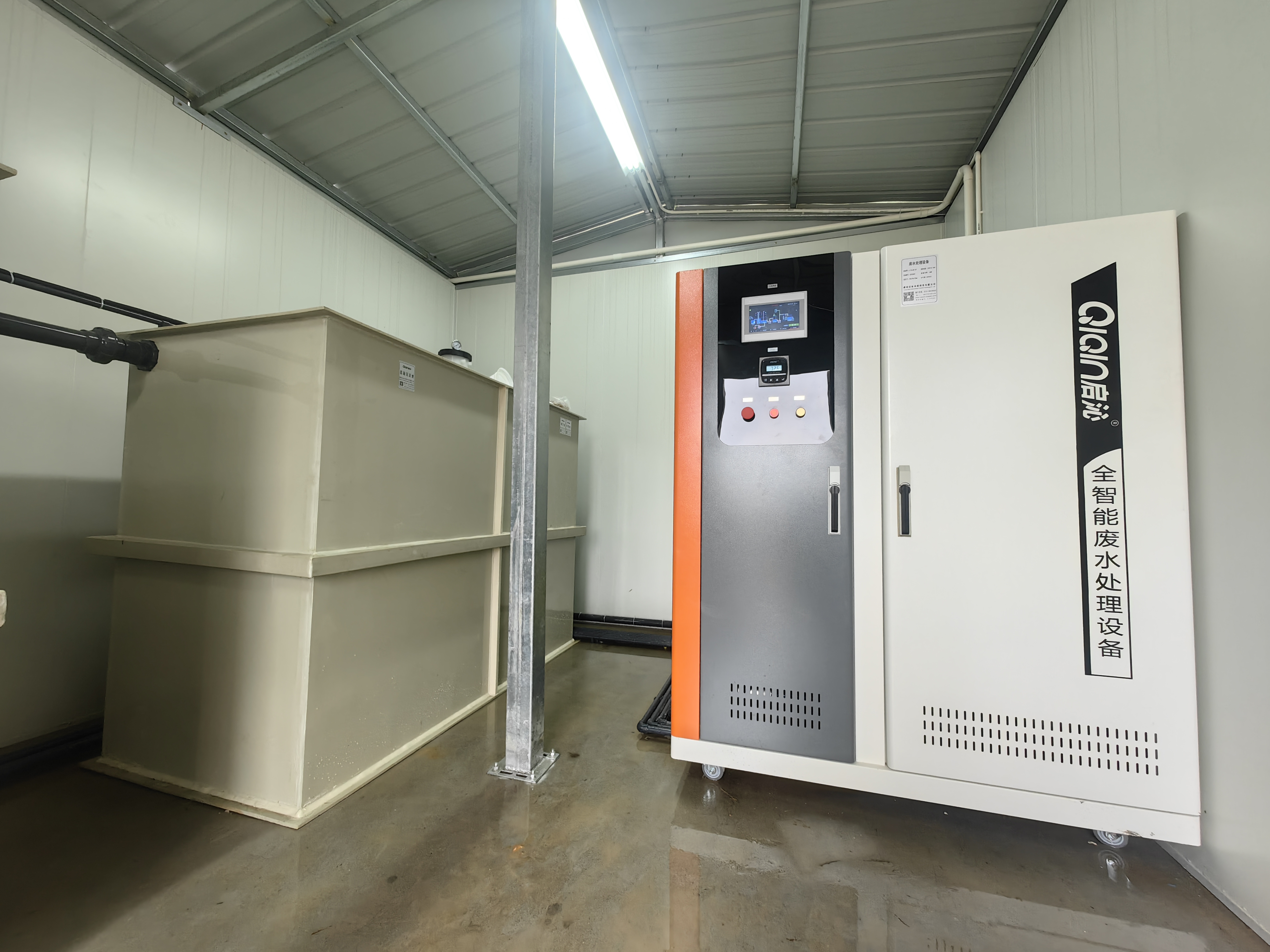
Project Name: Wastewater Treatment Equipment Model: Q-FSLAB-10T
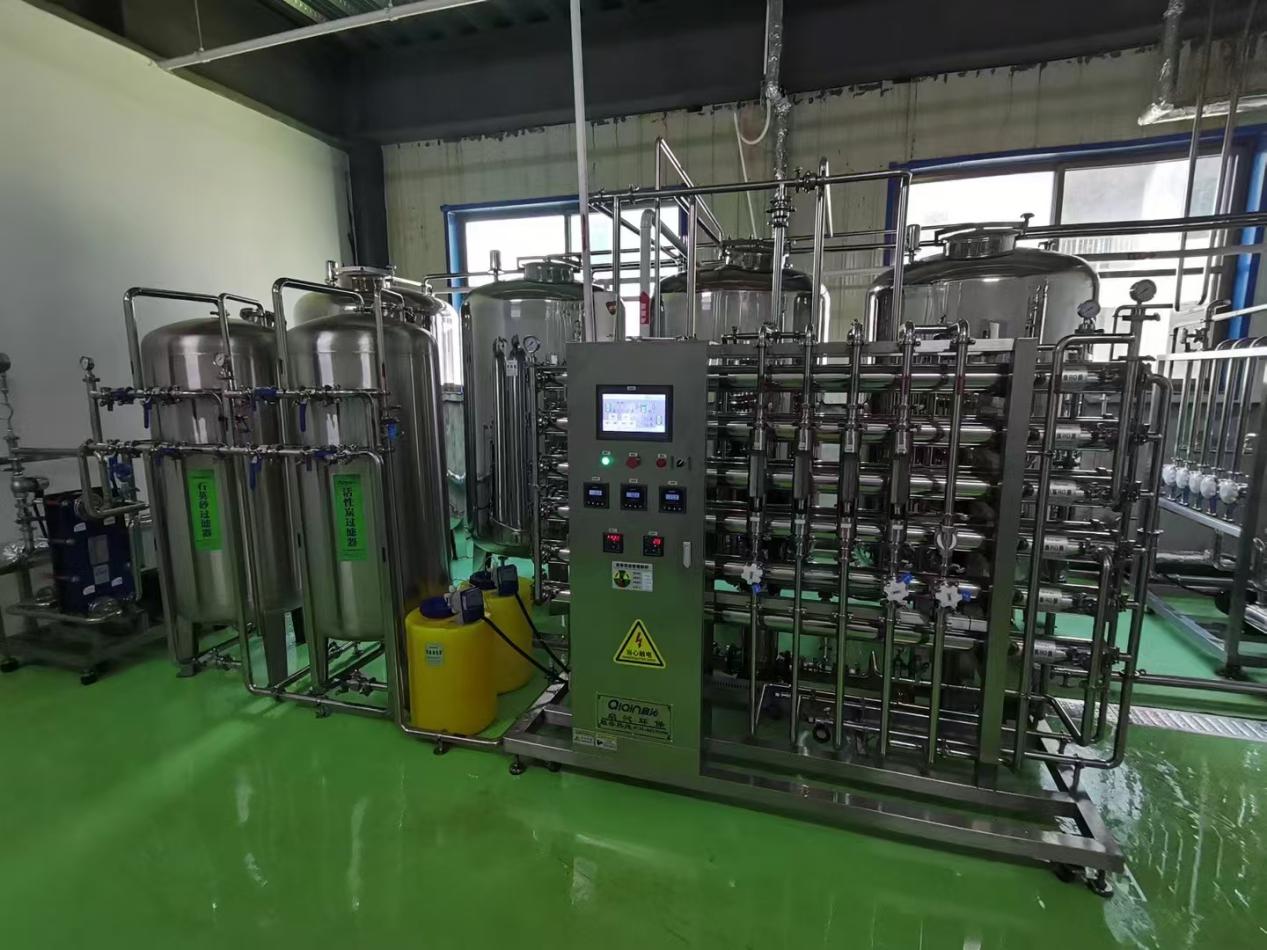
Project Name: Purified Water System Model: Q-Center2000-2RO
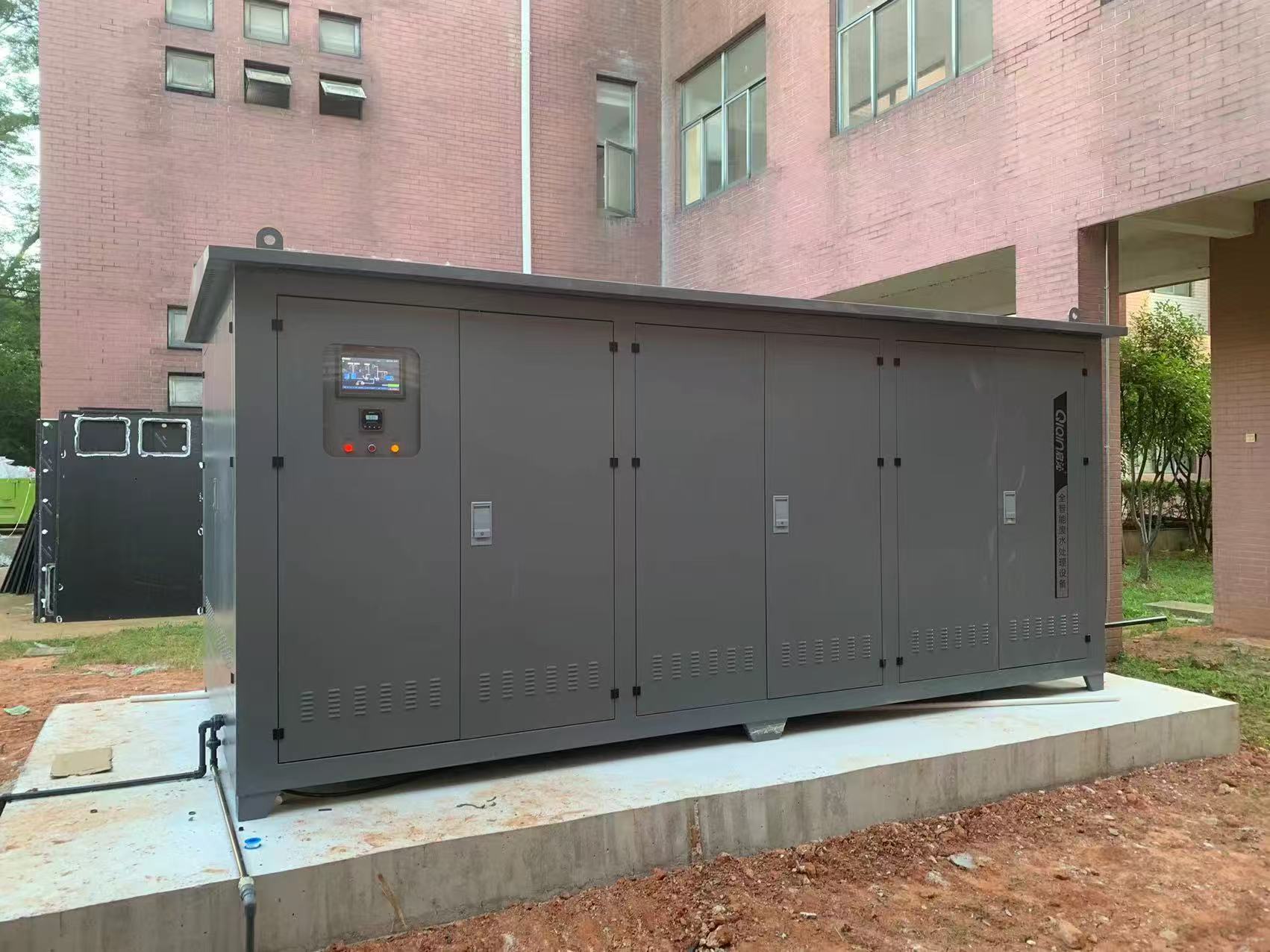
Project Name: Wastewater Treatment Equipment Model: Q-FS/LAB10-IN
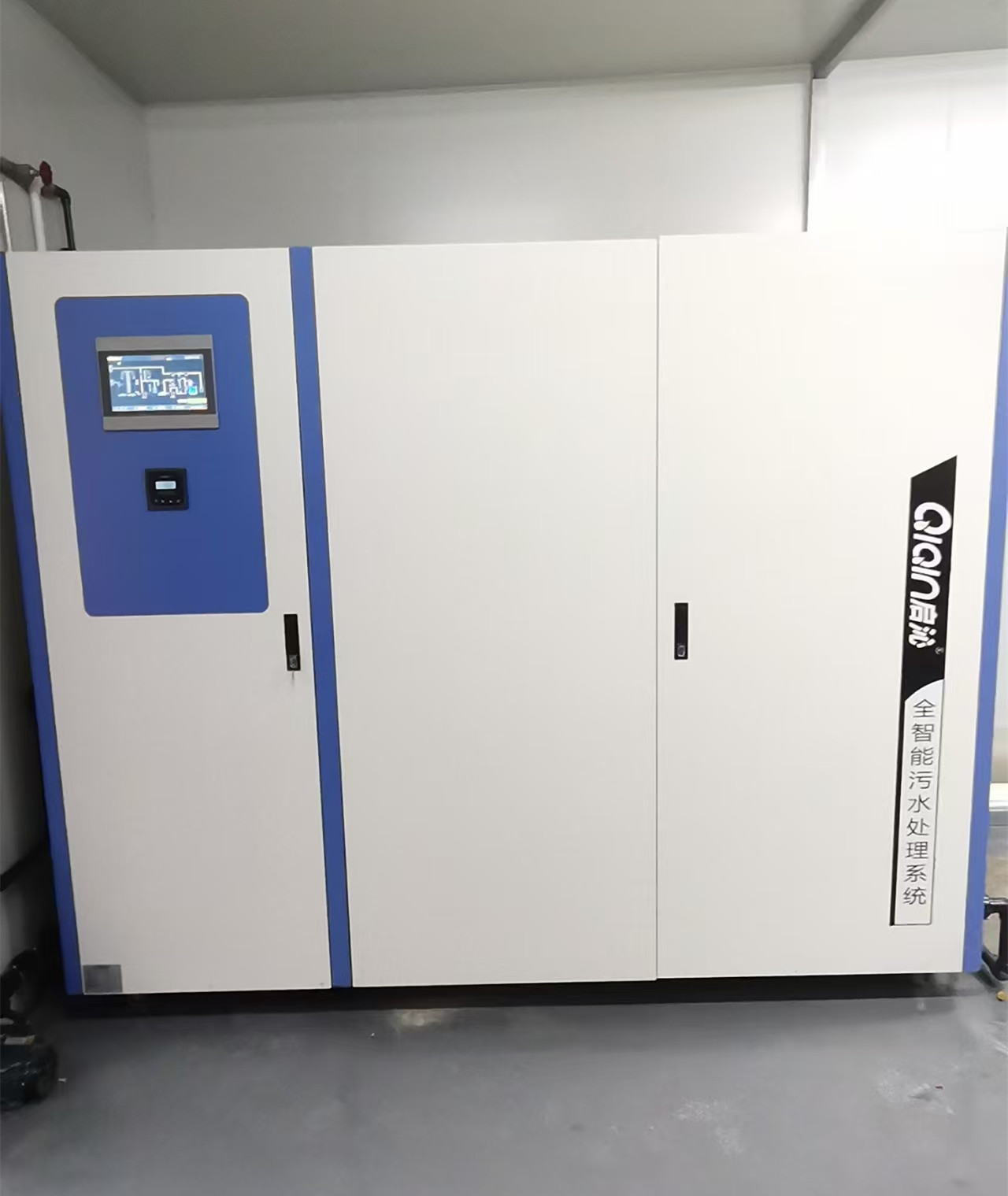
Project Name: Sewage Treatment Equipment Model: Q-LABY/2000L
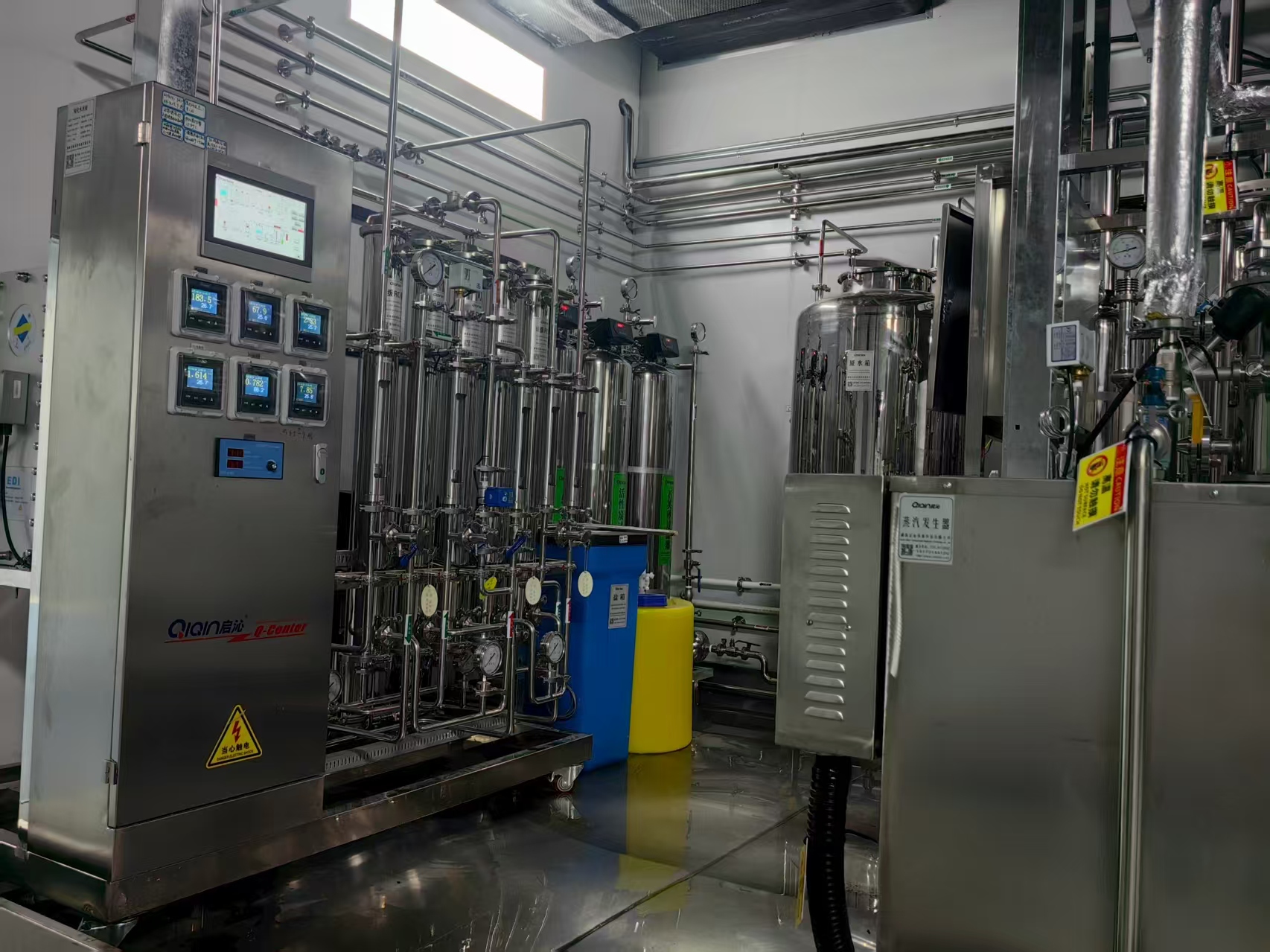
Project Name: Reverse Osmosis Water Equipment Model: Q-Center500-RO
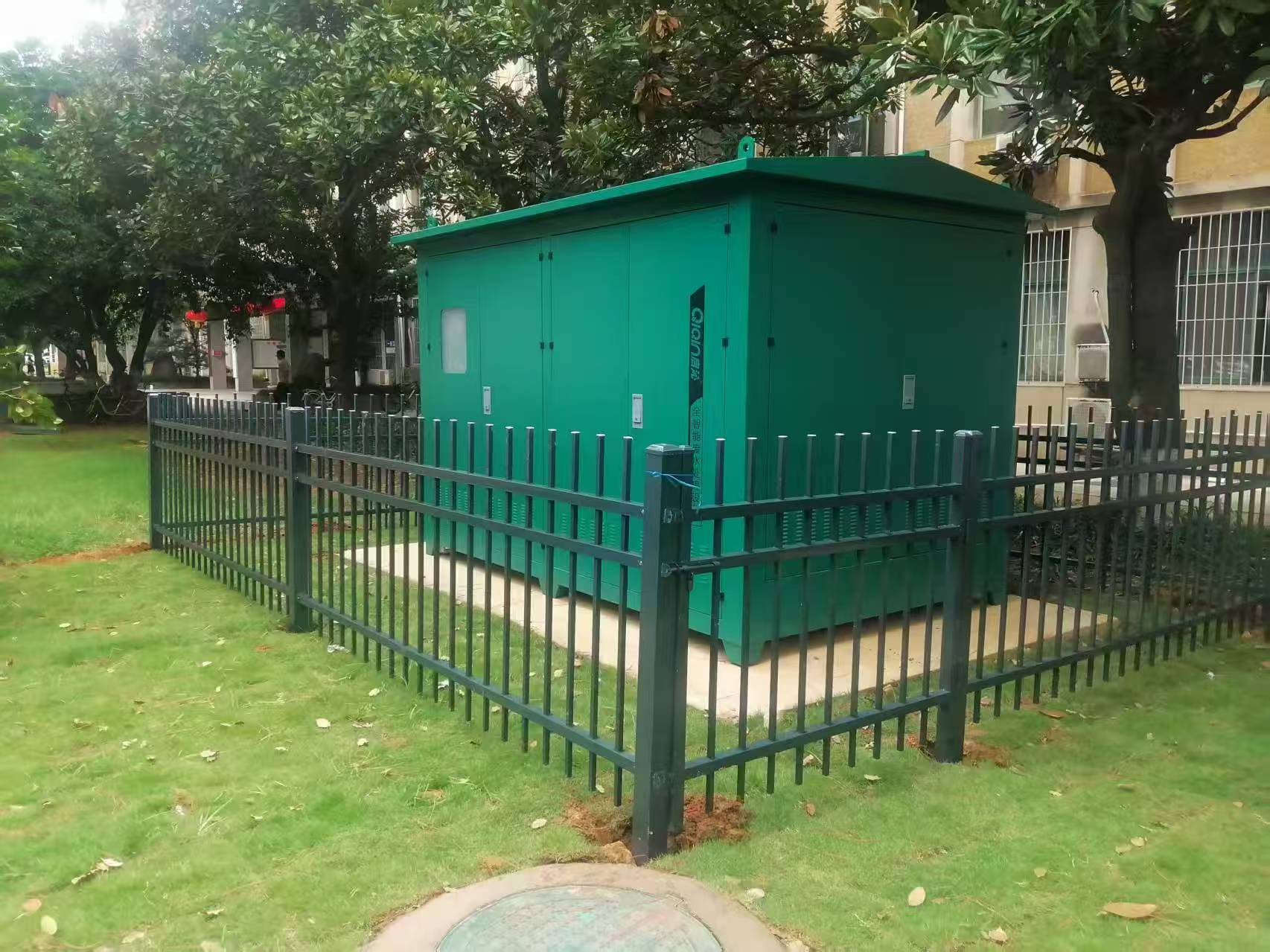
Project Name: Wastewater Treatment Equipment Model: 10T/D
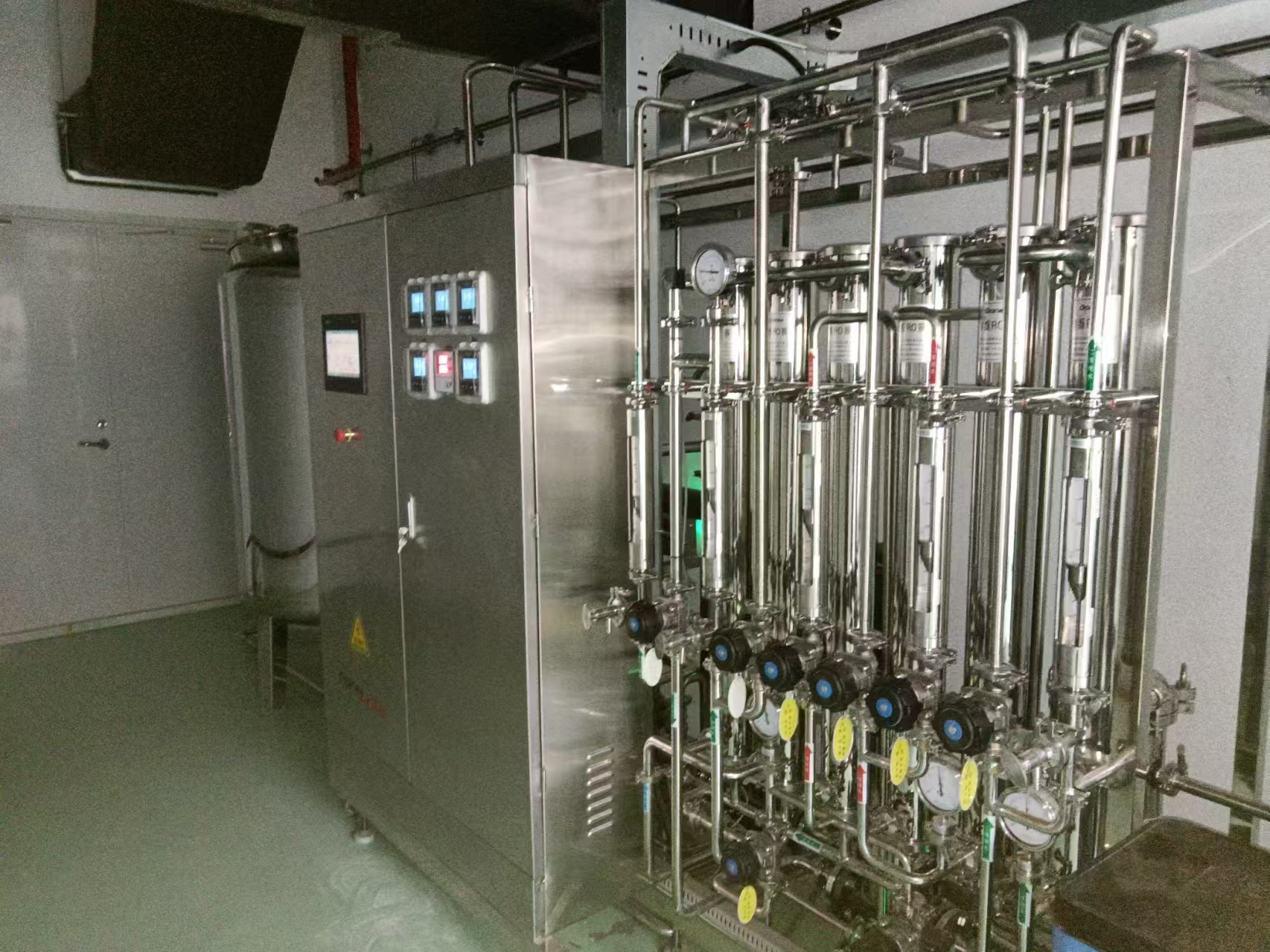
Project Name: Purified Water System Model: Q-Center1000-2RE
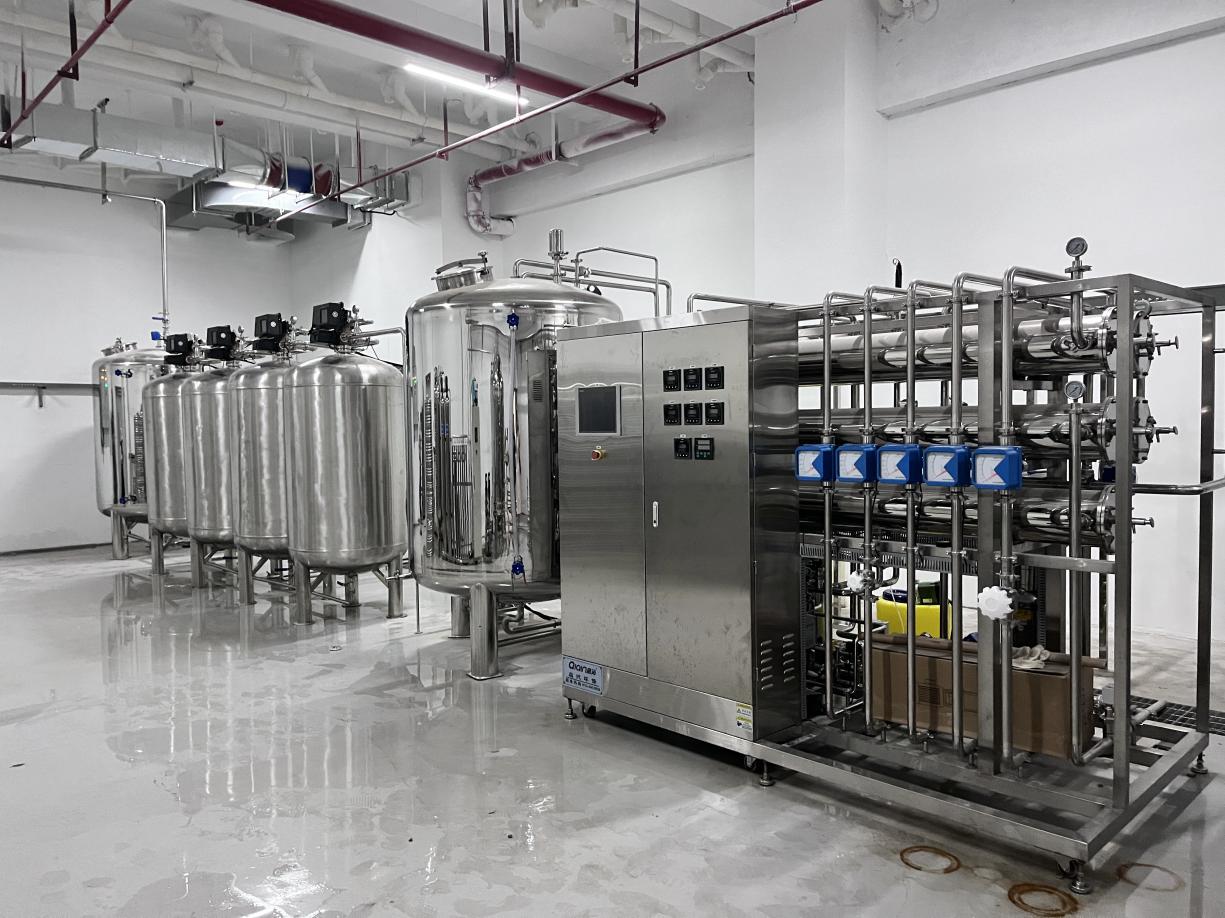
Project Name: Purified Water System Model: Q-Center1000-2RE
Project Name: Central Water Purification System + Ultrapure Water Machines Model: 500L/h
Project Name: Central Water Purification System Model: Q-Center500-RV
Project Name: Pure Water System Model: Q-Center500-RO
Project Name: Pure Water Machine Model: Q-CHE40-SR


Copyright © 2026 Hunan Qiqin Environmental Protection Technology Co., Ltd